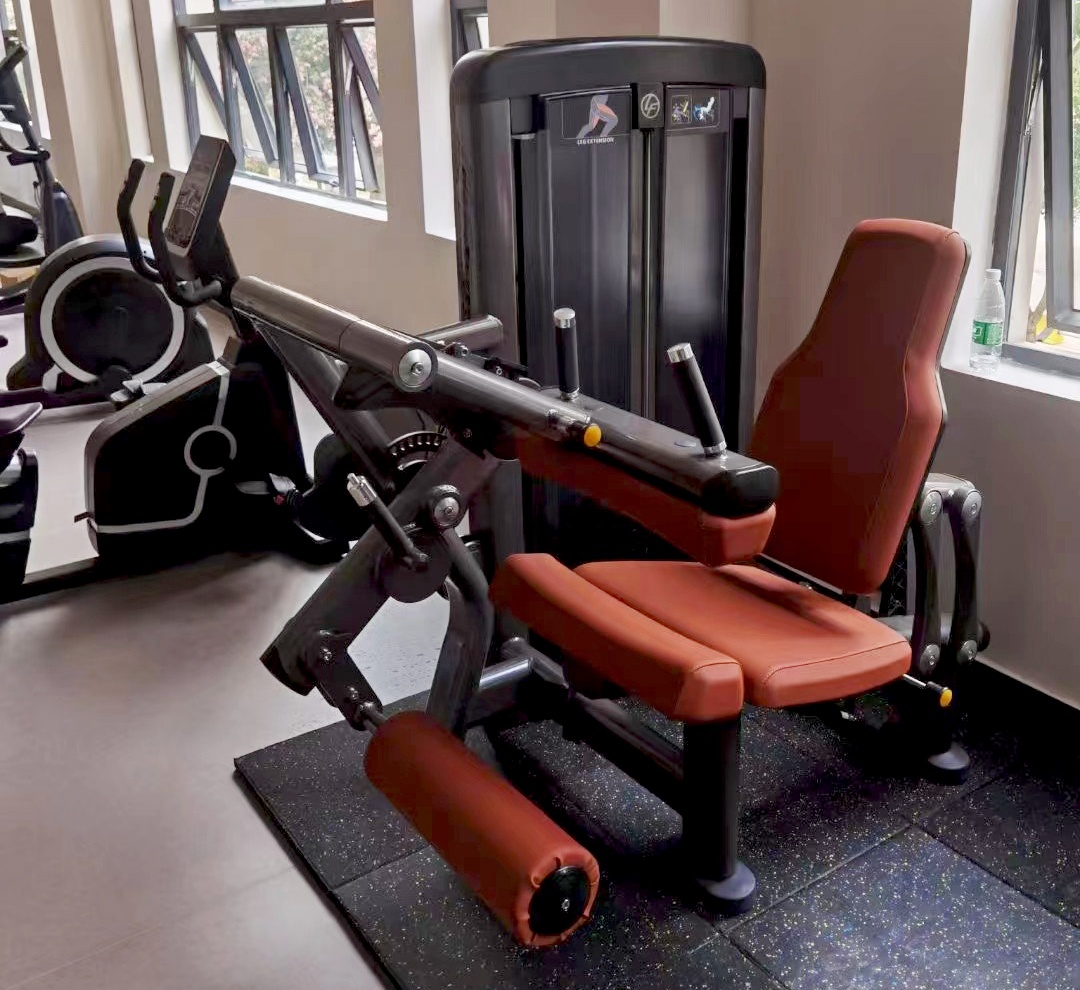
It is important to use proper technique and start with an appropriate weight or resistance level when using this machine to prevent injury. It is recommended to consult with a fitness professional or trainer to ensure proper form and to develop a suitable workout program.Do leg extensions tone thighs?Yes, leg extensions are an exercise that primarily targets the quadriceps, which are the large muscles on the front of your thighs. By performing leg extensions, you directly work on strengthening and toning your thigh muscles, including the rectus femoris, vastus lateralis, vastus intermedius, and vastus medialis. This exercise helps to build muscle mass, improve muscle endurance, and enhance overall strength in the thigh region, which contributes to toned legs. However, it's important to combine leg extensions with other exercises and a balanced diet for comprehensive muscle development and overall fitness.Why is leg extension so hard?
Leg extension can be challenging for several reasons, depending on the individual and their specific circumstances. Here are some factors that might contribute to the difficulty:
1. Muscle imbalances: If you have weaker quadriceps (the primary muscles used in leg extensions) or tight hamstrings, it can make the exercise more difficult. Tight hamstrings can limit your range of motion and make it harder to fully extend your legs.
2. Strength level: Like any muscle group, the quadriceps require sufficient strength to perform leg extensions effectively. If you haven't built up this strength through regular training, it will feel harder.
3. Technique: Proper form is crucial for maximizing the benefits of leg extensions and avoiding injury. Beginners may struggle with maintaining correct posture and alignment, which can affect the intensity of the exercise.
4. Neurological adaptation: It's common for the nervous system to adapt to certain movements. If you haven't done leg extensions regularly, your body may need time to learn how to activate the necessary muscles effectively.
5. Range of motion: Some people may have limited flexibility in their hip or knee joints, which can restrict their ability to fully extend their legs during the exercise.
6. Fatigue: As you tire, your muscles may become less responsive, making any exercise, including leg extensions, more challenging.
7. Overuse or injury: Past injuries or overuse of the leg muscles can lead to pain or reduced functionality, making leg extensions more difficult.
To improve your leg extension performance, focus on proper technique, gradually increase resistance or weight, stretch and strengthen your supporting muscles, and maintain good form throughout the movement. If you continue to struggle, consider consulting a trainer or physical therapist for personalized guidance.How often should you do leg extensions?
The frequency of doing leg extensions depends on various factors such as your fitness goals, current fitness level, and the intensity of your workout. Here's a general guideline:
1. For beginners: If you're new to leg extensions or any strength training, start with 2-3 sessions per week. Begin with lower weights and focus on proper form. Gradually increase the frequency as you become more comfortable and confident.
2. Intermediate/Advanced trainees: If you have some experience and want to build strength or muscle mass, you can aim for 3-5 sessions per week, allowing for at least one day of rest between workouts to allow muscles to recover.
3. High-intensity interval training (HIIT) or bodyweight exercises: If your goal is cardiovascular fitness or you include leg extensions as part of a circuit or plyometric workout, you might do them more frequently, like 4-6 times per week, but with shorter rest periods in between.
4. Specific sports or goals: If you're an athlete preparing for a sport that heavily relies on leg power, like soccer, basketball, or track and field, you may need to incorporate leg extensions more frequently, possibly daily, as part of your specialized training.
Remember, it's essential to listen to your body and not overtrain. Adequate recovery time is crucial for preventing injury and ensuring progress. Consult with a personal trainer or fitness professional if you need personalized guidance based on your specific needs and goals.Are leg extensions worth doing?
Leg extensions are a popular exercise that primarily targets the quadriceps muscles, which include the rectus femoris, vastus lateralis, vastus intermedius, and vastus medialis. They can be beneficial for several reasons, depending on your fitness goals:
1. **Muscle Development**: If you want to strengthen and build quad muscles, leg extensions are an effective exercise. They directly work these large muscle groups, helping you achieve larger, stronger quads.
2. **Sports Performance**: Athletes in sports like running, jumping, and sprinting benefit from strong quadriceps, as they play a crucial role in power and explosiveness. Leg extensions can contribute to improved performance in these activities.
3. **Prehabilitation and Rehabilitation**: For individuals recovering from knee injuries or those with weak quadriceps due to surgery or other conditions, leg extensions can be part of a rehabilitation program to regain strength and stability.
4. **Functional Training**: In terms of everyday functional movements, having strong quadriceps can help with tasks like climbing stairs, carrying heavy objects, and maintaining good posture.
However, it's important to note that exercises should be part of a well-rounded workout plan that includes both upper and lower body exercises, as well as flexibility and balance training. Overemphasizing one muscle group (like the quads) without proper balance could lead to muscle imbalances or injury.
Before starting any exercise, consult with a healthcare professional or a certified personal trainer to ensure that leg extensions are appropriate for your fitness level and any specific needs or limitations you may have. They can also help you design a safe and effective workout routine.